
Tourist Scams in Brazil

Many travelers planning a trip to South America often ask: “Is Brazil safe for tourists?” The answer is yes Brazil is generally a safe destination for those who take basic precautions and stay informed about their surroundings. Just like in any other popular destination, scams can occur, especially in busy tourist areas. Understanding the common scams in Brazil and learning how to avoid scams in Brazil can make your trip much smoother and more enjoyable. From transportation tricks to fake online listings, it’s important to know what to expect and how to protect yourself. This article presents the main tourist scams in Brazil and essential Brazil travel safety tips so you can enjoy your trip with confidence.
1. Fake Taxis and Overpriced Rides
One of the most common scams in Brazil involves fake taxi drivers or even legitimate ones who overcharge unsuspecting tourists. This can happen at airports, bus terminals, or city centers, where drivers approach travelers offering rides without using a meter or app. They might claim that the meter is broken, take longer routes, or charge fixed prices far above the normal fare.
How to avoid scams in Brazil like this one is simple: always use reliable apps such as Uber, 99, or Cabify. These services display the fare in advance, track your route in real time, and reduce the risk of being scammed. If you prefer traditional taxis, use only official airport taxi stands or request one from your hotel. Avoid unmarked cars or unsolicited offers from drivers on the street.
2. ATM and Currency Exchange Scams
Another risk affecting Brazil tourist safety involves ATM withdrawals and currency exchange. Some ATMs in tourist areas may be fake, while others are equipped with skimming devices that copy your card information. Street money changers may also give you counterfeit bills or use misleading exchange rates.
To protect yourself, withdraw cash only from ATMs located inside banks, shopping malls, or airports, where surveillance cameras are active. Avoid isolated machines on the street. When exchanging currency, use authorized exchange offices (casas de câmbio) and check the notes before leaving. If someone offers to “help” you at an ATM, politely refuse it could be an attempt to steal your PIN or distract you.
3. Street Performers and “Friendly Helpers”
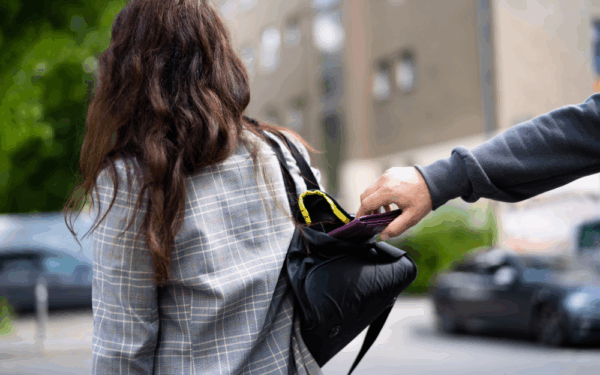
Brazilian cities are full of life music, performances, and friendly people. However, some individuals take advantage of this friendliness. One of the common scams in Brazil happens when street performers or “helpers” demand money after offering unsolicited assistance. For instance, someone might offer to take your picture, clean your shoes, or tie a “good luck” bracelet on your wrist and then refuse to leave until you pay. Others may strike up a conversation to distract you while an accomplice attempts to pick your pocket.
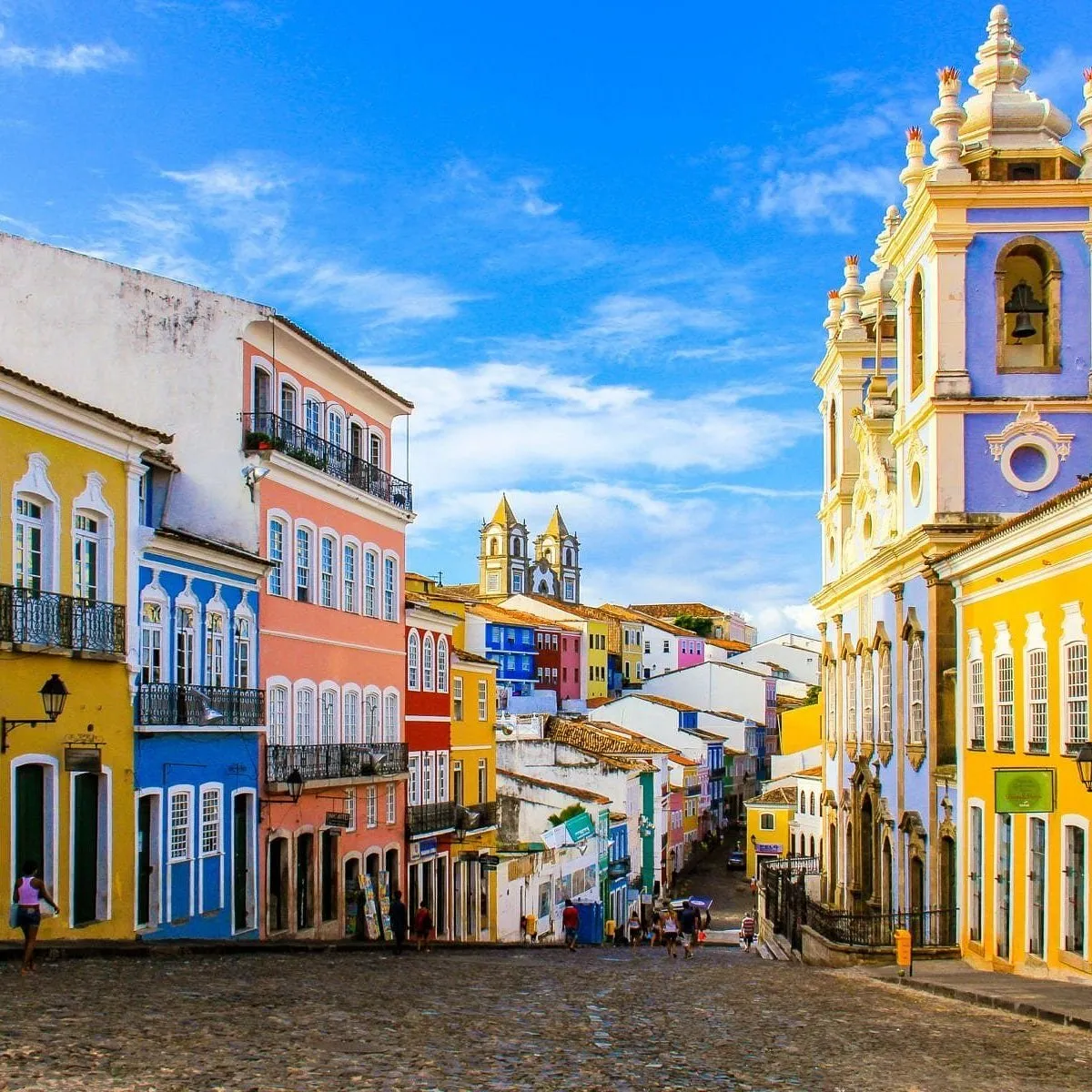
To stay safe, maintain a polite but firm distance. If someone insists on helping or touching you, say “Não, obrigado(a)” (No, thank you) and walk away. Keep wallets and phones in front pockets or secure bags, and stay alert in busy places like Copacabana Beach, Pelourinho, or Avenida Paulista.
4. Online and Rental Scams
With the growth of online bookings, scams involving fake listings have also increased. Fraudsters create fake profiles of hotels, guesthouses, or apartments on platforms like WhatsApp, Instagram, or even legitimate booking sites. They use stolen photos, offer very low prices, and request full payment in advance but the property doesn’t exist.
When booking accommodation, always use trusted platforms such as Booking.com, Airbnb, or Expedia. Read reviews carefully, verify the host’s identity, and never send money through messaging apps or direct transfers. Always communicate within the platform itself, where transactions are protected.
Be cautious as well with fake car rental or beach house listings, especially during high-demand seasons like Carnival or New Year’s Eve. Verify the company’s website, phone number, and address before paying.

5. Fake Tickets and Tours
Tourists eager to explore Brazil’s wonders from Christ the Redeemer to Iguaçu Falls sometimes fall for scams involving fake tickets or tours. Scammers sell counterfeit tickets for concerts, football matches, or sightseeing tours, often at “special discount” prices. Some fake agencies even create professional-looking websites and social media profiles to appear legitimate.
To avoid these scams, purchase tickets only from official vendors or directly from the attraction’s website. When booking tours, check for licensed guides and well-reviewed companies. Be wary of deals that seem “too good to be true.” It’s better to pay a bit more for reliability than to lose money or miss your tour altogether.
6. Credit Card Fraud
Credit card fraud is a global problem, and Brazil is no exception. Dishonest employees in restaurants, bars, or shops may copy your card information when processing a payment out of sight. This can result in unauthorized charges even after you’ve returned home.
To reduce the risk, never let your card out of your sight. In Brazil, it’s common for waiters to bring a portable card machine to your table always ensure the transaction is done in front of you. Consider using contactless payments or virtual cards with temporary numbers for extra security. Check your bank statements during your trip to spot suspicious activity early.
7. Safety Tips for Travelers in Brazil
Beyond avoiding scams, following a few Brazil travel safety tips can make your trip much more enjoyable. Brazil is known for its warm people, vibrant culture, and breathtaking landscapes and with a few simple habits, you can experience it all safely.
Here are the top safety tips for traveling in Brazil:
Keep valuables discreet. Avoid wearing flashy jewelry or showing expensive electronics in public.
Be aware of your surroundings. Especially in crowded places, beaches, or public transport.
Use hotel safes. Store passports, extra cash, and cards securely.
Plan your routes. Stick to busy, well-lit streets and avoid walking alone at night in unfamiliar areas.
Ask locals or hotel staff for advice. They can recommend safer neighborhoods and times to visit.
Be cautious with alcohol. Many scams happen when tourists are distracted.
Avoid political demonstrations. These can quickly become unpredictable.
Get travel insurance. It’s an essential part of Brazil tourist safety.
Learn basic Portuguese phrases. Even a few words can help you communicate and deter potential scammers.
Trust your instincts. If something feels wrong, leave the situation immediately.
These habits not only help you avoid scams in Brazil but also allow you to focus on enjoying the best of the country its music, food, and warm hospitality.
Conclusion
So, is Brazil safe for tourists? Absolutely as long as travelers remain alert and take reasonable precautions. Scams can happen anywhere in the world, from Paris to Bangkok, and Brazil is no different. The key to Brazil tourist safety is awareness and prevention. By understanding the common scams in Brazil and applying the Brazil travel safety tips discussed here, you can enjoy your trip with peace of mind.
Brazil is a country of contrasts from the energy of Rio de Janeiro’s Carnival to the serenity of the Amazon rainforest. Millions of tourists visit every year and return home with unforgettable memories. The vast majority experience no problems at all. Knowing how to avoid scams in Brazil ensures your trip focuses on discovering the nation’s rich culture, stunning scenery, and the warmth of its people not dealing with unpleasant surprises.
In the end, safety in Brazil, as in any destination, depends on a mix of common sense, awareness, and informed choices. Stay alert, rely on trustworthy sources, and enjoy all that Brazil has to offer from samba rhythms and golden beaches to delicious cuisine and friendly locals. With the right preparation, your trip to Brazil will be not only safe but truly unforgettable.

Related Post